
Laboratory Facilities
The Biology Education Study Programme provides laboratories and collaborative learning facilities that support teaching, research, innovation, and scientific development. These facilities strengthen students’ practical competencies, research skills, and academic excellence through experiential learning and collaborative activities.
Laboratory Facilities
Learning, research, innovation, and scientific exploration facilities.
Structure Laboratory
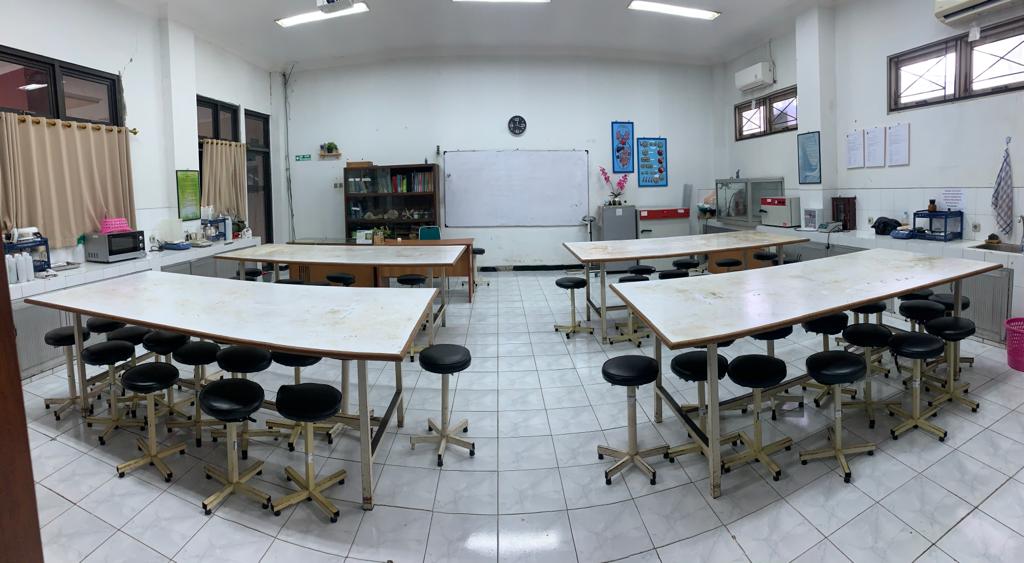
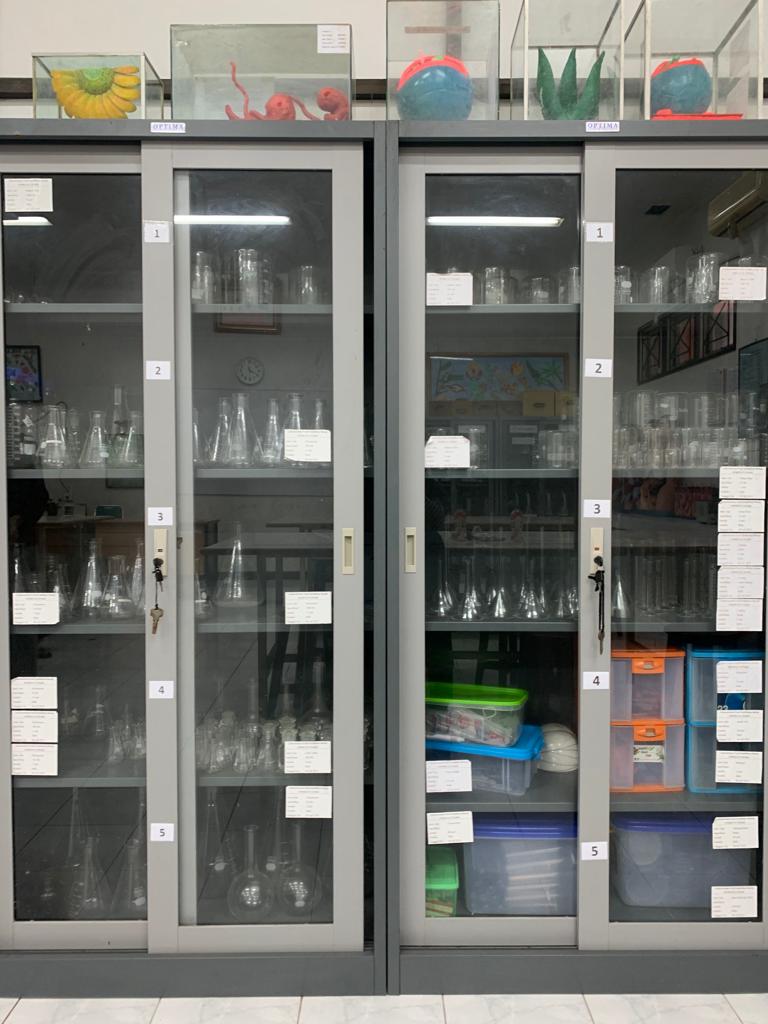
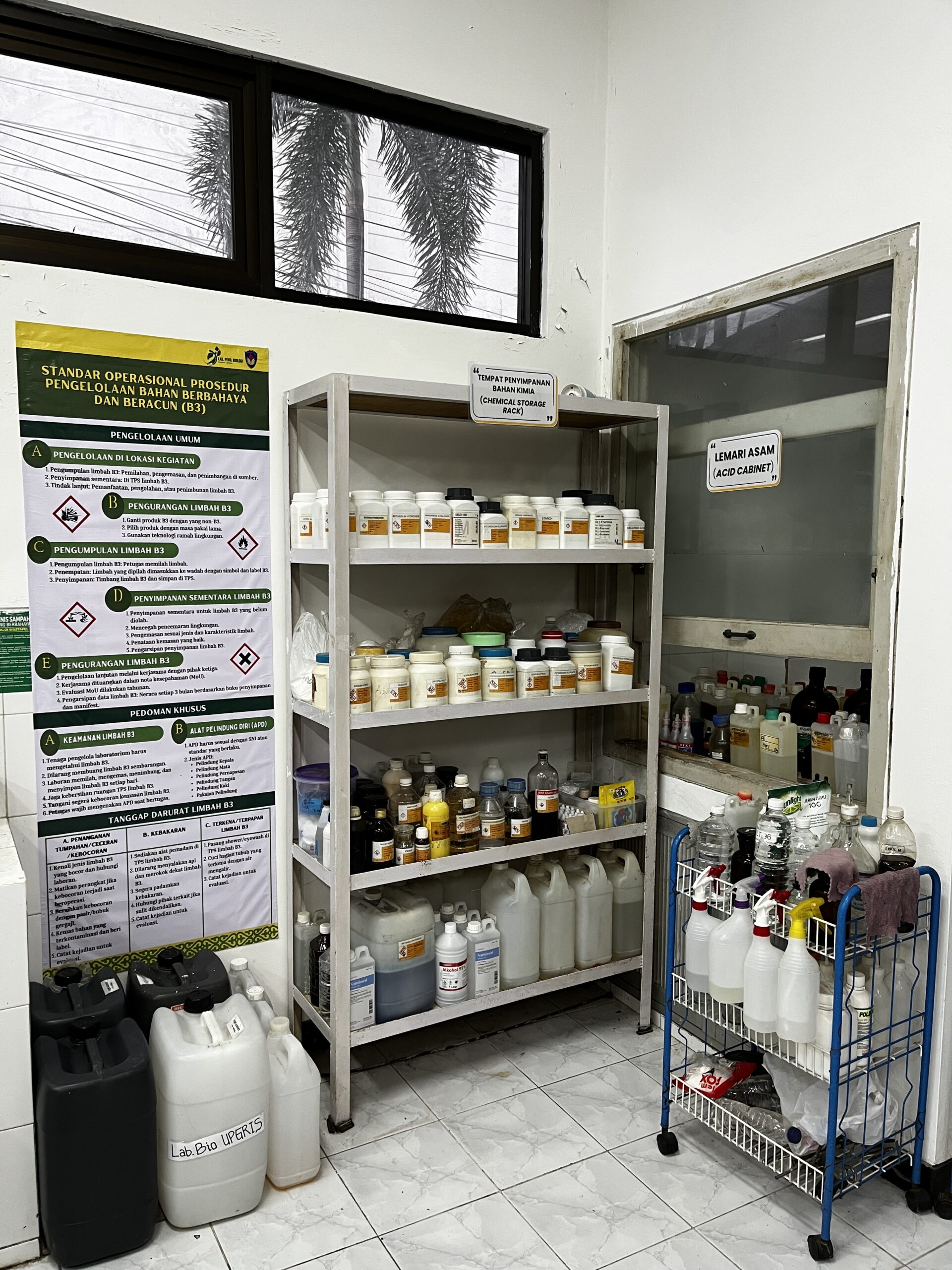
The Structural Biology Laboratory is a teaching and research facility that supports practical learning in Anatomy, Histology, Morphology, and Taxonomy of plants and animals.
Through hands-on activities using microscopes, histological slides, anatomical models, preserved specimens, and taxonomic collections, students develop skills in specimen observation, anatomical and histological analysis, morphological characterization, and taxonomic identification.
The laboratory supports courses such as Plant and Animal Anatomy, Histology, Morphology, and Biodiversity, enabling students to integrate theoretical knowledge with practical investigation while strengthening their observational, analytical, and scientific communication skills.
- Microscopic observation and analysis
- Histological investigations
- Plant and animal anatomy studies
- Morphological characterization
- Taxonomic identification
- Biodiversity investigations
Learning Commons
Collaborative and student-centered learning environment.
Learning Commons
The Learning Commons serves as a collaborative learning environment that encourages interaction, discussion, creativity, and independent learning. Students may utilize this space for group discussions, project development, presentations, academic consultations, and digital learning activities.
- Collaborative discussion spaces
- Digital learning facilities
- Wireless internet access
- Presentation and meeting areas
- Independent study spaces
- Academic consultation areas
Function Laboratory
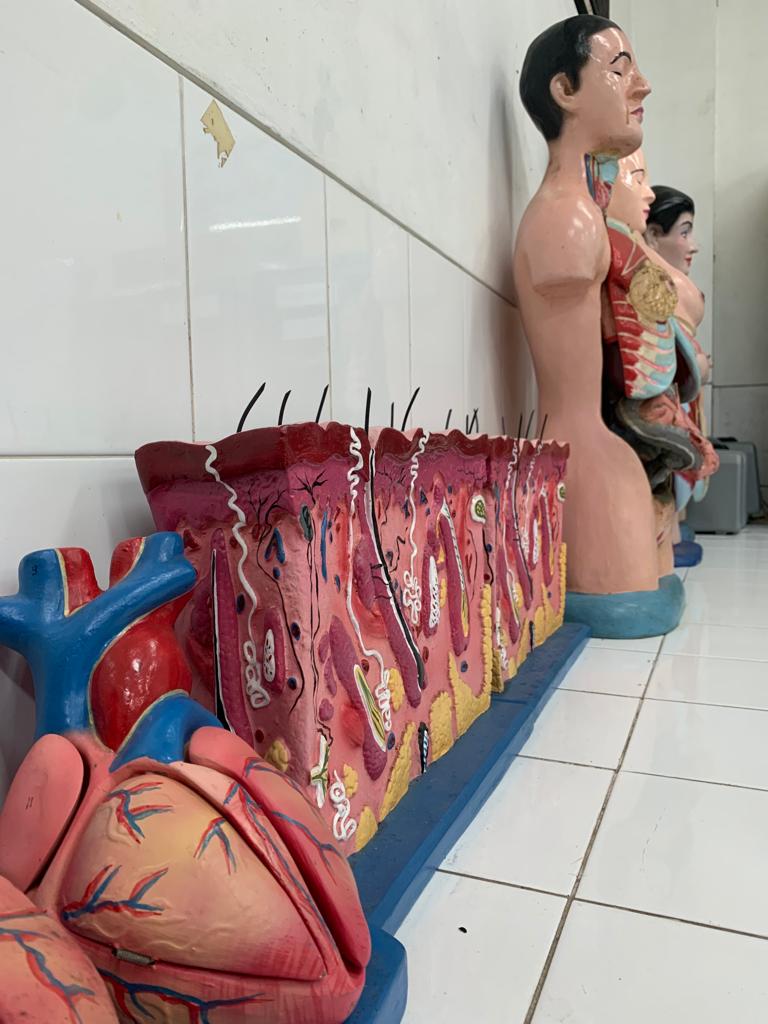
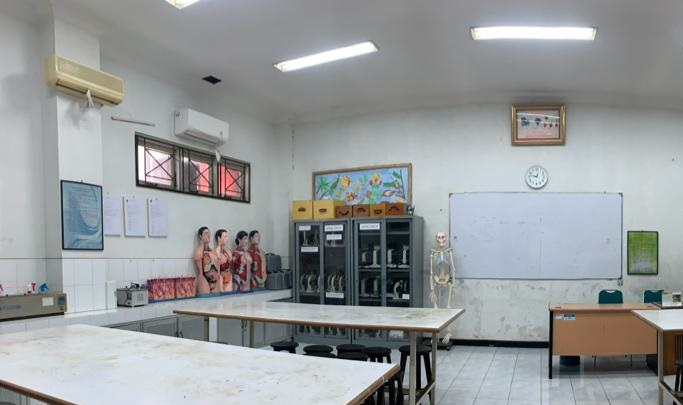
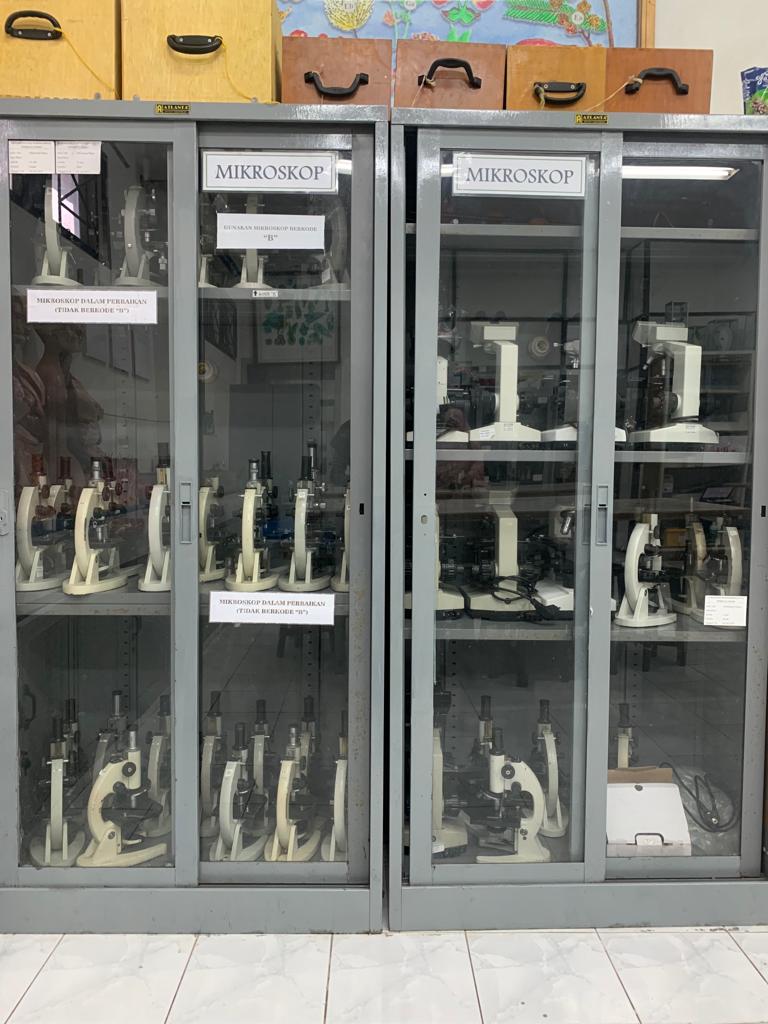
The Function Biology Laboratory facilitates students’ understanding of biological organization from cells and tissues to organs and organ systems in plants, animals, and humans through observation, analysis, and scientific investigation.
The laboratory serves mandatory courses such as Microbiology, Biochemistry, Basic Human Anatomy and Physiology, while also supporting related courses in biological sciences.
Through hands-on, inquiry-based learning experiences, students develop competencies in observation, identification, measurement, laboratory techniques, data interpretation, critical analysis, and scientific reporting.
These activities enhance students’ scientific literacy, practical laboratory skills, and research capabilities, preparing them to become competent biology educators, researchers, and professionals in the biological sciences.
- Cell and tissue observation and analysis
- Microbiology practical activities
- Biochemistry experiments
- Human anatomy and physiology investigations
- Scientific measurement and laboratory techniques
- Research-based inquiry and data interpretation
- Critical analysis and scientific reporting
Plant Tissue Culture Laboratory
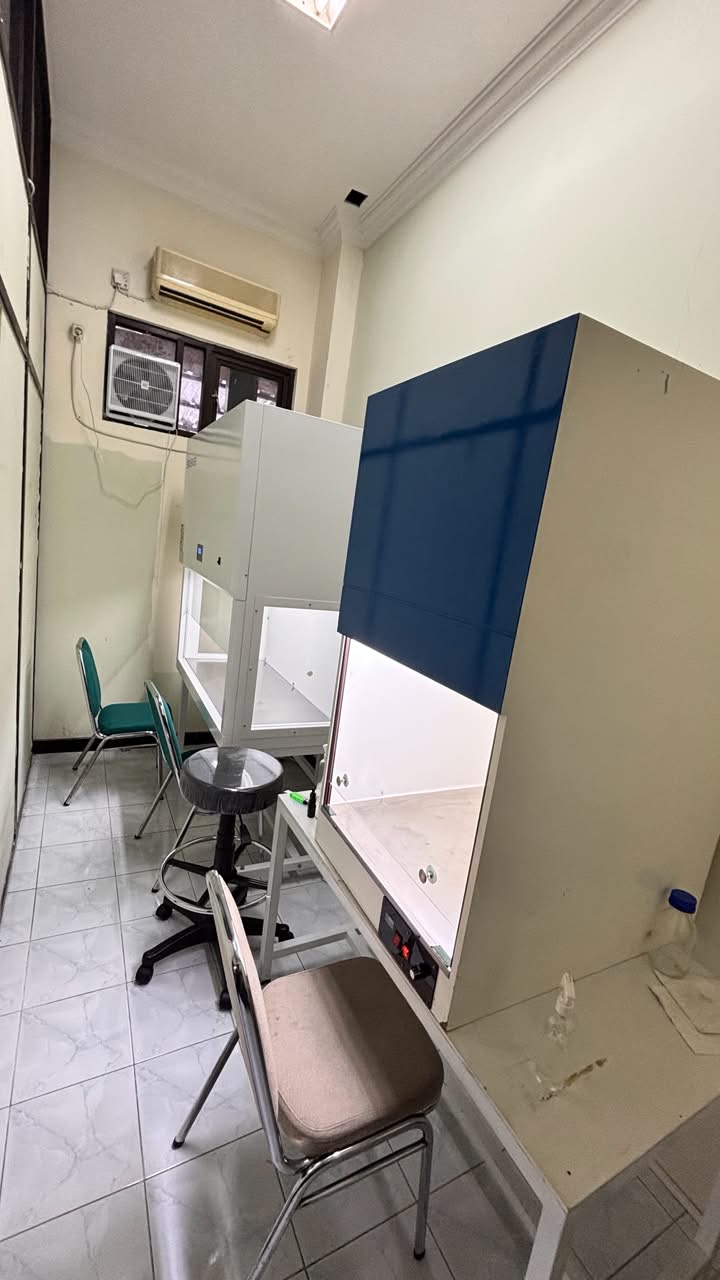
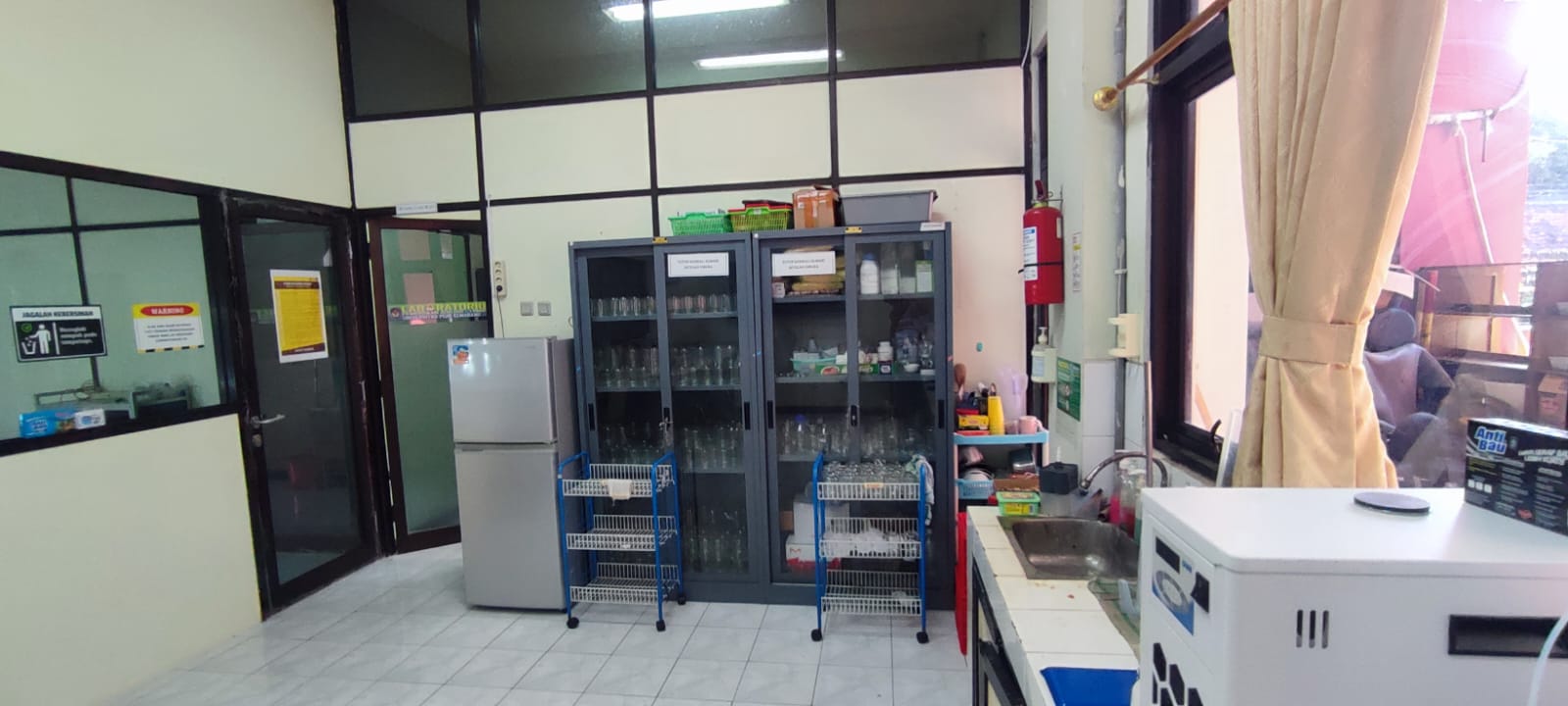
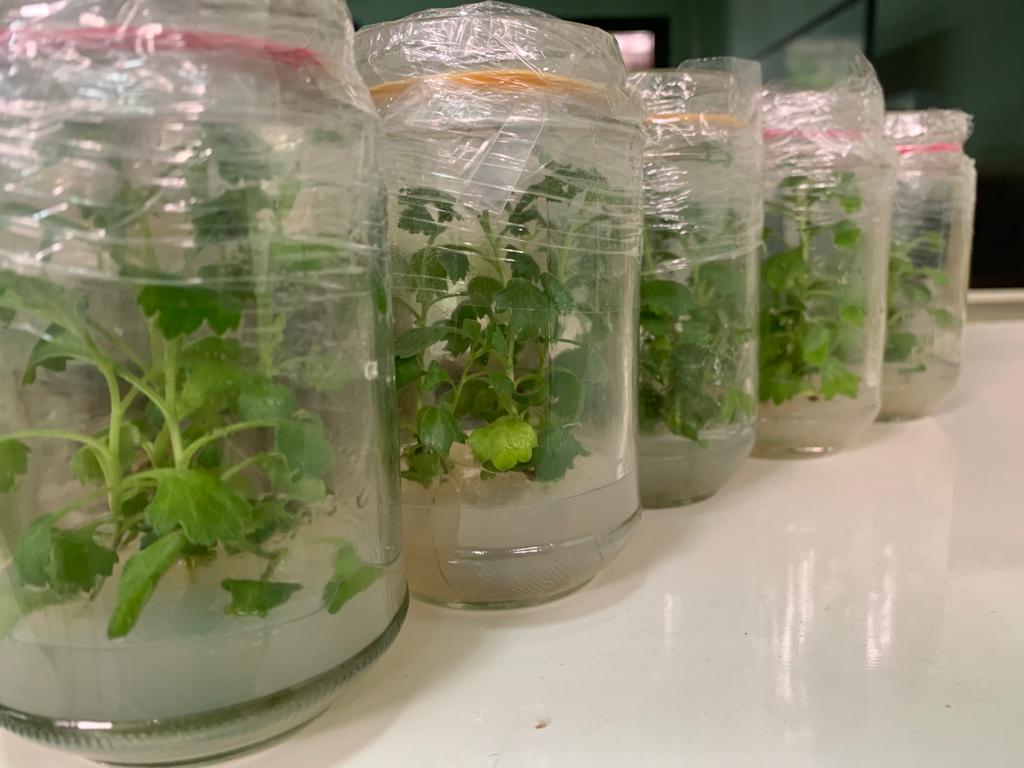
The Plant Tissue Culture Laboratory facilitates students’ understanding and application of plant biotechnology through in vitro culture techniques, enabling the propagation, conservation, and improvement of plant genetic resources under controlled aseptic conditions.
Supporting courses such as Plant Tissue Culture, Plant Biotechnology, and Plant Physiology, the laboratory provides hands-on and research-based learning experiences that develop students’ competencies in media preparation, aseptic techniques, micropropagation, callus induction, organogenesis, somatic embryogenesis, and experimental design.
Through practical activities and scientific inquiry, the laboratory enhances students’ technical skills, critical thinking, research capabilities, and innovation in plant biotechnology.
The laboratory prepares students to become competent biology educators, researchers, and practitioners in the fields of agriculture, biotechnology, and environmental sustainability.
- Preparation of culture media and laboratory materials
- Aseptic techniques and sterile laboratory procedures
- Micropropagation and plant multiplication
- Callus induction and organogenesis studies
- Somatic embryogenesis experiments
- Plant biotechnology research projects
- Experimental design and data analysis
- Conservation of plant genetic resources
- Innovation in agricultural biotechnology
Greenhouse Facility
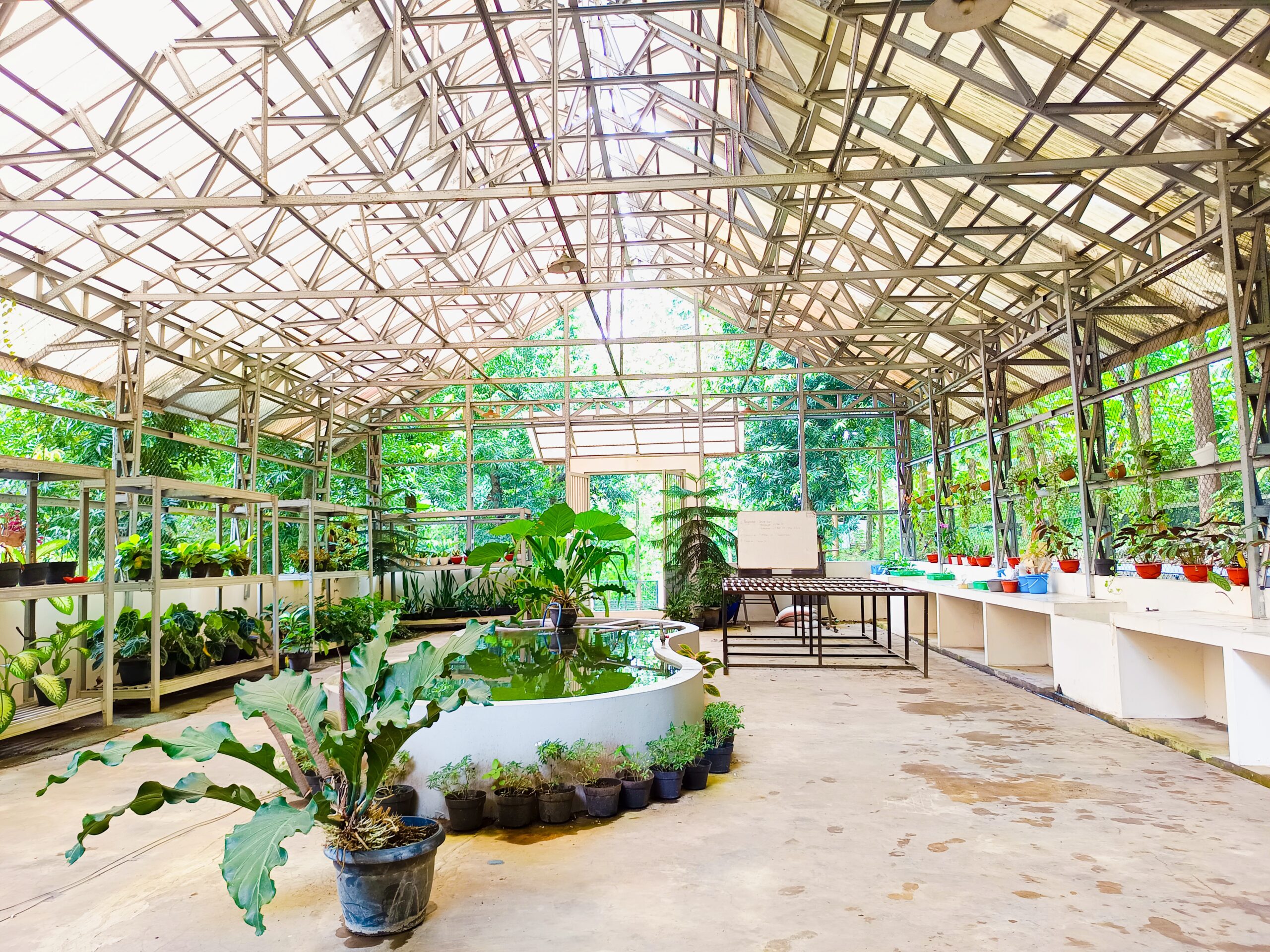
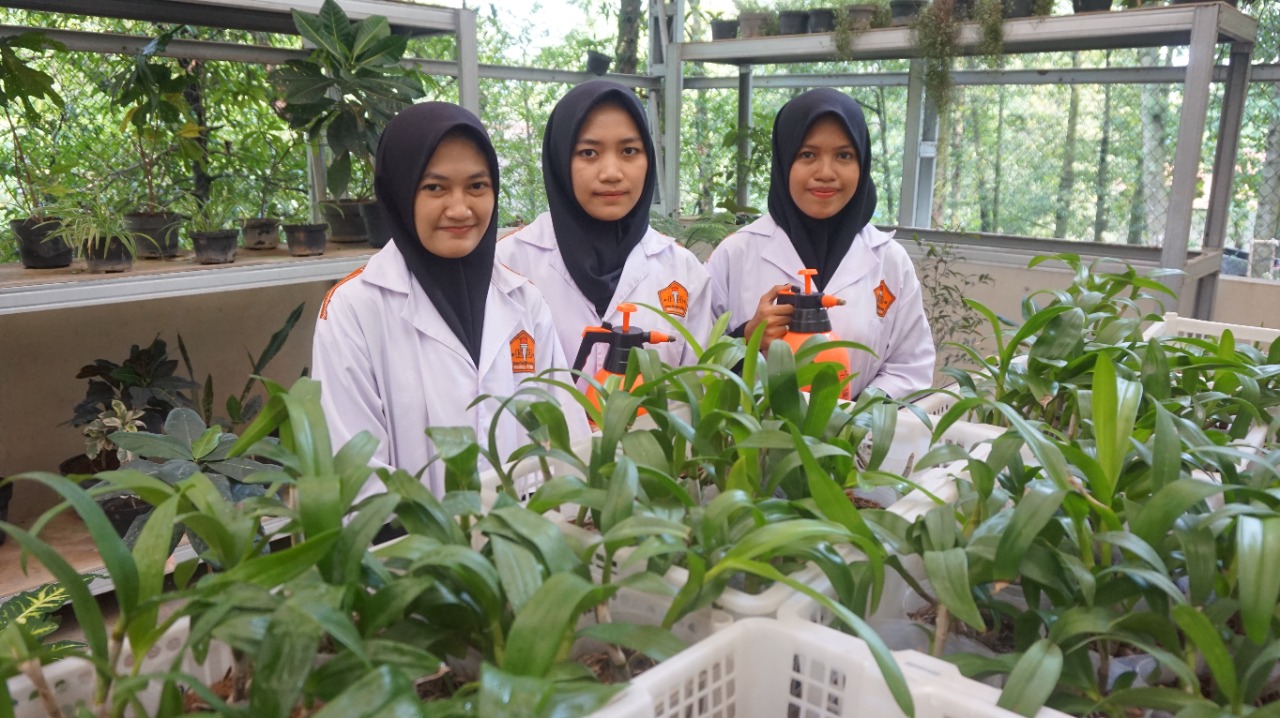
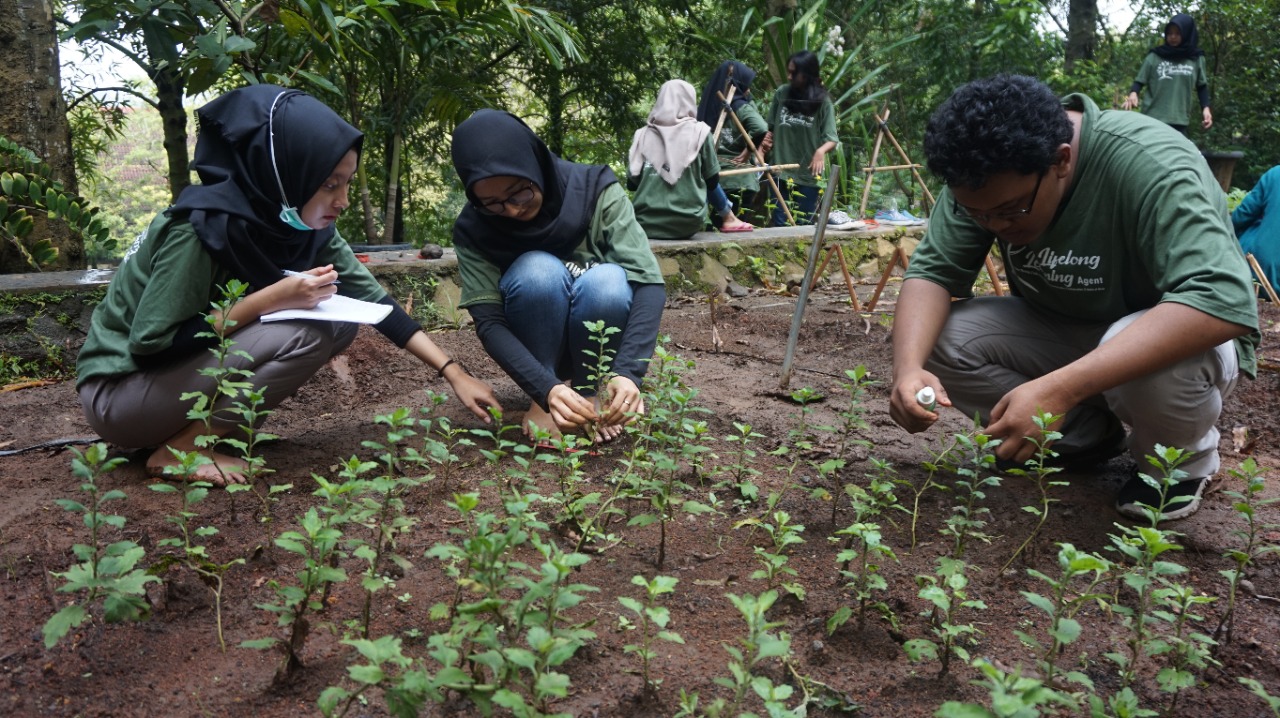
The Greenhouse Facility serves as a controlled plant growth and research environment that supports teaching, research, and community engagement activities within the Biology Education Study Programme.
It provides students and researchers with opportunities to conduct experiments, cultivate plant materials, and observe plant growth and development under regulated environmental conditions.
The facility supports hands-on and inquiry-based learning experiences that enhance competencies in plant cultivation, experimental design, data collection, environmental monitoring, and scientific investigation.
Equipped with environmental control systems and cultivation facilities, the greenhouse facilitates studies on plant growth, propagation, stress physiology, crop improvement, and sustainable agricultural practices.
The facility also serves as a platform for innovative research related to food security, biodiversity conservation, and environmental sustainability.
Through practical training and research-based activities, the greenhouse strengthens students’ technical skills, critical thinking, problem-solving abilities, and scientific literacy, preparing them to become competent biology educators, researchers, and professionals capable of addressing contemporary challenges in biological and agricultural sciences.
- Plant cultivation and propagation techniques
- Environmental monitoring and data collection
- Plant growth and development studies
- Stress physiology experiments
- Crop improvement research
- Sustainable agriculture practices
- Biodiversity conservation projects
- Research-based scientific investigations